
 Trilux Motors
A test drive is the best free information you will ever get about a used car. Twenty or thirty minutes behind the wheel can tell you more than any listing photo. The trick is to go in with a plan instead of just driving around the block. Here is a simple checklist San Antonio buyers can use before, during and after a test drive.
Before You Start the Engine
Ask the seller not to warm the car up before you arrive. A cold start is when many problems show up, such as hard starting, rough idle, smoke from the tailpipe or noisy lifters. Then walk around the car in daylight:
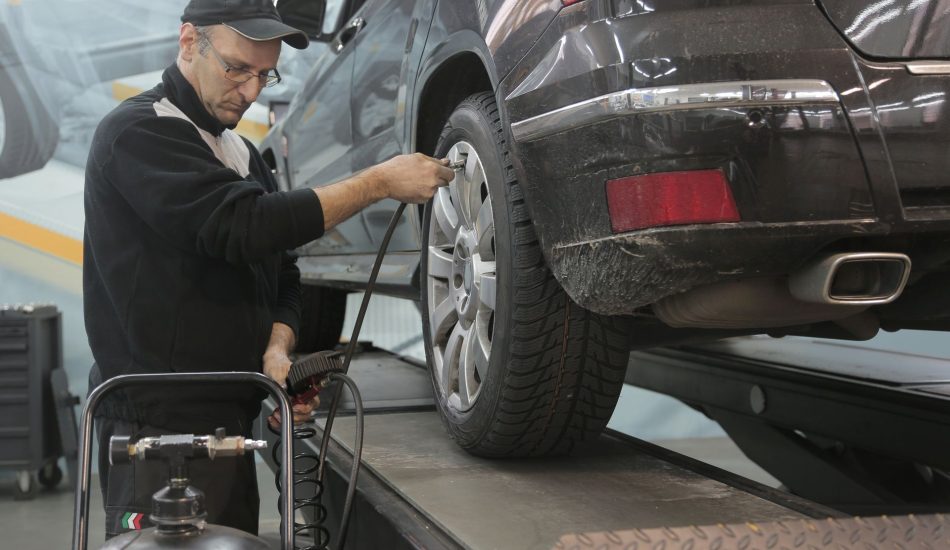
- Tires. Look for even wear across each tire. Wear on only the inside or outside edge can point to alignment or suspension issues. Check the tread with a penny: if you can see all of Lincoln’s head, the tread is very low. Look at the four-digit DOT date code on the sidewall (week and year) so you know how old the tires are. The NHTSA tire safety page has more on tread, pressure and aging.
- Body and paint. Uneven gaps between panels, paint that does not quite match, or overspray on rubber trim can mean past body work. Ask about it and check the vehicle history report.
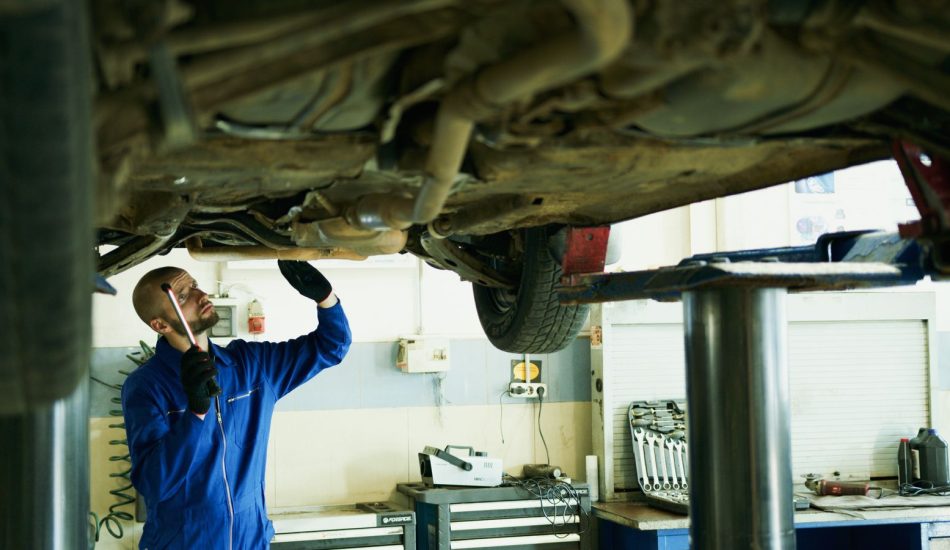
- Under the car. Look at the ground where the car was parked. Fresh drips can be oil, coolant, transmission fluid or just A/C condensation (clear water is normal).
- Under the hood. Check the oil level and color, look for cracked belts and hoses, and watch for white crust on the battery terminals.
- Lights. Have someone help you check headlights, brake lights, turn signals and reverse lights.
Inside the Cabin
Turn the key to ON without starting the engine. The warning lights on the dash, including the check engine light, should light up briefly and then go off once the engine runs. A check engine light that never comes on at all is a red flag, and since November 1, 2026 it also matters for the Bexar County emissions test.
Then test everything you will use every day:
- A/C on its coldest setting and the heater on its hottest. In San Antonio, a weak A/C is not a small thing.
- Power windows, locks, mirrors and seat adjustments.
- Radio, Bluetooth, USB ports and the backup camera if it has one.
- Seat belts: each one should pull out smoothly and lock when you tug it hard.
- Smell the cabin. A musty or mildew smell, damp carpet or silt under the seats can be signs of water damage. Our guide to spotting flood-damaged cars covers what else to look for.
On the Road: Drive It Like You Own It
Plan a route that matches how you actually drive. If you commute on I-35, Loop 410 or 1604, include some highway time. A good route has:
- Stop-and-go streets. The transmission should shift smoothly without slipping, banging or hesitating. Watch the engine speed: if it climbs but the car does not speed up, the transmission may be slipping.
- A highway on-ramp. Accelerate firmly and merge. The car should pull steadily with no shudder, and the steering should feel stable at 60 to 70 mph without vibration in the wheel or seat.
- A safe spot to brake firmly. The car should stop straight without pulling to one side. Grinding, squealing or a pulsing brake pedal mean the brakes need attention.
- A rough road or speed bumps. Listen for clunks or rattles from the suspension. The car should settle quickly after a bump instead of bouncing.
- A parking lot. Turn the wheel all the way left and right at low speed. Clicking or popping noises can point to worn CV joints.
Turn the radio off for the drive. Your ears are one of your best tools.
After the Drive
Park, leave the engine running for a minute and take another look:
- Check the dash again for any warning light that came on during the drive.
- Look under the car for new drips.
- Listen for unusual ticking or knocking at idle.
- Watch the temperature gauge. It should sit in the normal range and not keep climbing.
Write down anything you noticed while it is fresh, and ask the seller about each item.
Paperwork to Check Before You Decide
A good drive is only part of the picture. Before you buy, also:
- Read the Buyers Guide posted on the window. It tells you whether the car is sold as is or comes with a warranty.
- Review a vehicle history report for title brands, reported accidents and odometer readings.
- Check for open recalls by VIN at NHTSA.gov/recalls. Recall repairs are free at a franchised dealer for that brand. See our recall guide for details.
- Consider an independent pre-purchase inspection. A trusted mechanic can put the car on a lift and scan it for stored codes. It is worth asking whether the seller will allow one.
Bring a Friend and Take Your Time
A second person can watch for smoke, listen for noises and help you stay objective. Do not feel rushed. A seller who is confident in a car should be comfortable with a careful test drive and your questions. If something does not feel right, it is fine to walk away and keep looking.
Test Drive a Car at Trilux Motors
Ready to put this checklist to work? Visit Trilux Motors at 4606 S Flores St, Suite 101, San Antonio, TX 78214, or contact us to schedule a test drive. Se habla español.