
 Trilux Motors
San Antonio winters are mild most of the time, but a hard freeze can still show up with little warning, and February 2021 reminded everyone how fast Texas roads and cars can be caught off guard. Cold weather is also when weak batteries, low tires and old coolant finally give out. Whether you already own a used car or you are shopping for one this season, this checklist covers what to check before the next cold snap, based on NHTSA’s winter driving guidance and common-sense maintenance.
Start With the Battery
NHTSA notes that when the temperature drops, so does battery power, and gasoline and diesel engines need more battery power to start in the cold. Texas heat is hard on batteries all summer, so a battery that seemed fine in August may struggle on the first 30-degree morning.
- Check the date code. Most batteries have a sticker or stamp showing when they were made or installed. If yours is several years old, have it tested before winter.
- Ask for a load test. Many parts stores and repair shops will test a battery and the charging output of the alternator. A slow, labored start is an early warning.
- Look at the terminals. White or green crust on the posts can keep a good battery from delivering full power. Cleaning it is a simple fix.
- Hybrid or electric? NHTSA notes that cold weather can reduce driving range. Plugging in overnight during a freeze helps keep the battery in its best temperature range.
Check Tire Pressure and Tread
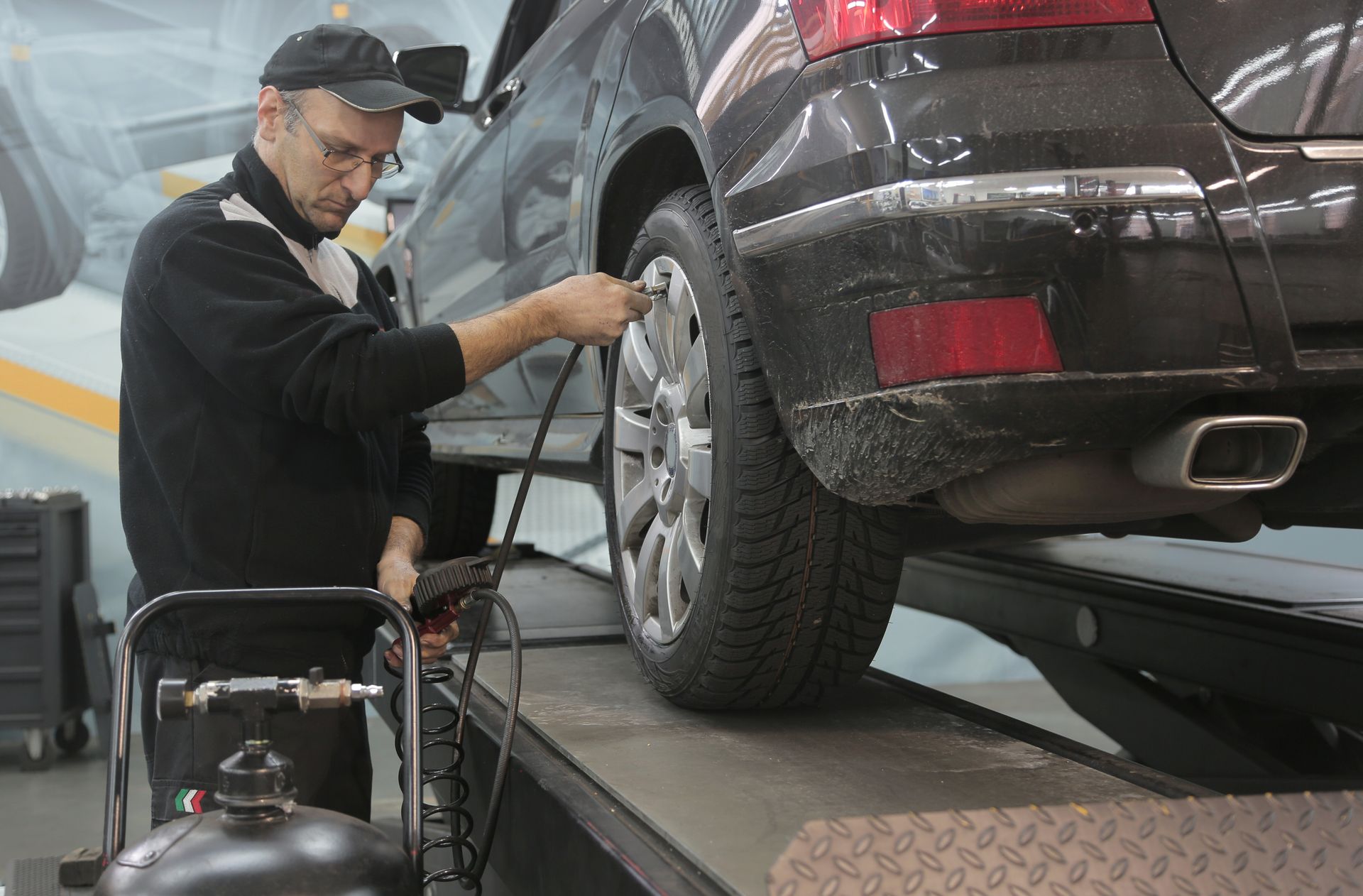
As the outside temperature drops, so does tire pressure. That is why a tire pressure warning light often comes on during the first cold morning of the season.
- Use the right number. Fill tires to the pressure on the label inside the driver’s door frame or in the owner’s manual, not the maximum number printed on the tire sidewall.
- Check when the tires are cold. NHTSA recommends checking after the car has sat for at least three hours.
- Measure tread depth. Tread should be at least 2/32 of an inch. With the penny test, put a penny in the tread with Lincoln’s head upside down. If you can see the top of his head, it is time for new tires.
- Look for uneven wear. Wear on one edge often points to an alignment or rotation issue that is cheaper to fix now than after it ruins a set of tires.
Coolant, Wipers and Lights
Coolant (antifreeze) does two jobs: it keeps the engine from overheating in summer and from freezing in winter. NHTSA recommends making sure you have enough coolant that meets the manufacturer’s specification and checking the cooling setup for leaks. A shop can test the mix to confirm its freeze protection.
While the hood is open, check the washer fluid. A winter-rated fluid with de-icer is a good idea before a freeze. Test the defroster and replace wiper blades that streak or chatter. Then walk around the car with the lights on: headlights, brake lights, turn signals and hazard flashers. Short winter days mean more driving in the dark.
Know How Your Car Handles Ice
Ice storms in South Texas are not frequent, which is exactly why many drivers are not ready for them. Find out whether your car has antilock brakes (ABS). With ABS, NHTSA advises firm, continuous pressure on the brake pedal; without it, pump the brakes if the wheels start to lock. Slow down, leave extra following distance and give bridges and overpasses extra respect, since they often freeze first.
Before heading out in bad weather, check road conditions on DriveTexas.org, run by TxDOT. If the roads are not in good shape, postponing a non-essential trip is usually the smartest move.
Pack a Simple Emergency Kit
You do not need a full survival setup for San Antonio, but a few items in the trunk can make a stalled car or a long wait much easier. NHTSA suggests:
- Jumper cables, a flashlight and warning markers or flares
- An ice scraper
- A blanket, bottled water and a few non-perishable snacks
- A first aid kit and any personal medicines
- A phone charger for the car
Keeping the gas tank close to full during cold spells is also a good habit. If you ever get stuck and need to run the engine for heat, make sure the exhaust pipe is clear and crack a window to avoid carbon monoxide buildup.
Shopping for a Used Car This Winter?
Cold weather is actually a good time to evaluate a used car, because it exposes problems a warm afternoon can hide:
- Ask for a cold start. If you can, see the engine start after it has sat overnight. Listen for slow cranking, rough idle or unusual noises.
- Test the heater and defroster. Make sure warm air comes out quickly and the windshield clears.
- Check the tires and battery age. Factor in the cost if either will need replacing soon.
- Check for open recalls. Enter the VIN at NHTSA.gov/recalls. Recall repairs are free at a franchised dealer for that brand.
- Read the Buyers Guide. It tells you whether the car comes with a warranty or is sold as is.
A Quick Pre-Freeze Checklist
- Battery tested and terminals clean
- Tires set to the door-label pressure, tread above 2/32 inch
- Coolant full and the right type
- Winter washer fluid, good wiper blades, working defroster
- All lights working
- Emergency kit in the trunk and a fuel tank near full
Find Your Next Car at Trilux Motors
Looking for a dependable used car before the next cold front rolls in? Visit Trilux Motors at 4606 S Flores St, Suite 101, San Antonio, TX 78214, or contact us to ask about any vehicle on our lot. Se habla español.