
 Trilux Motors
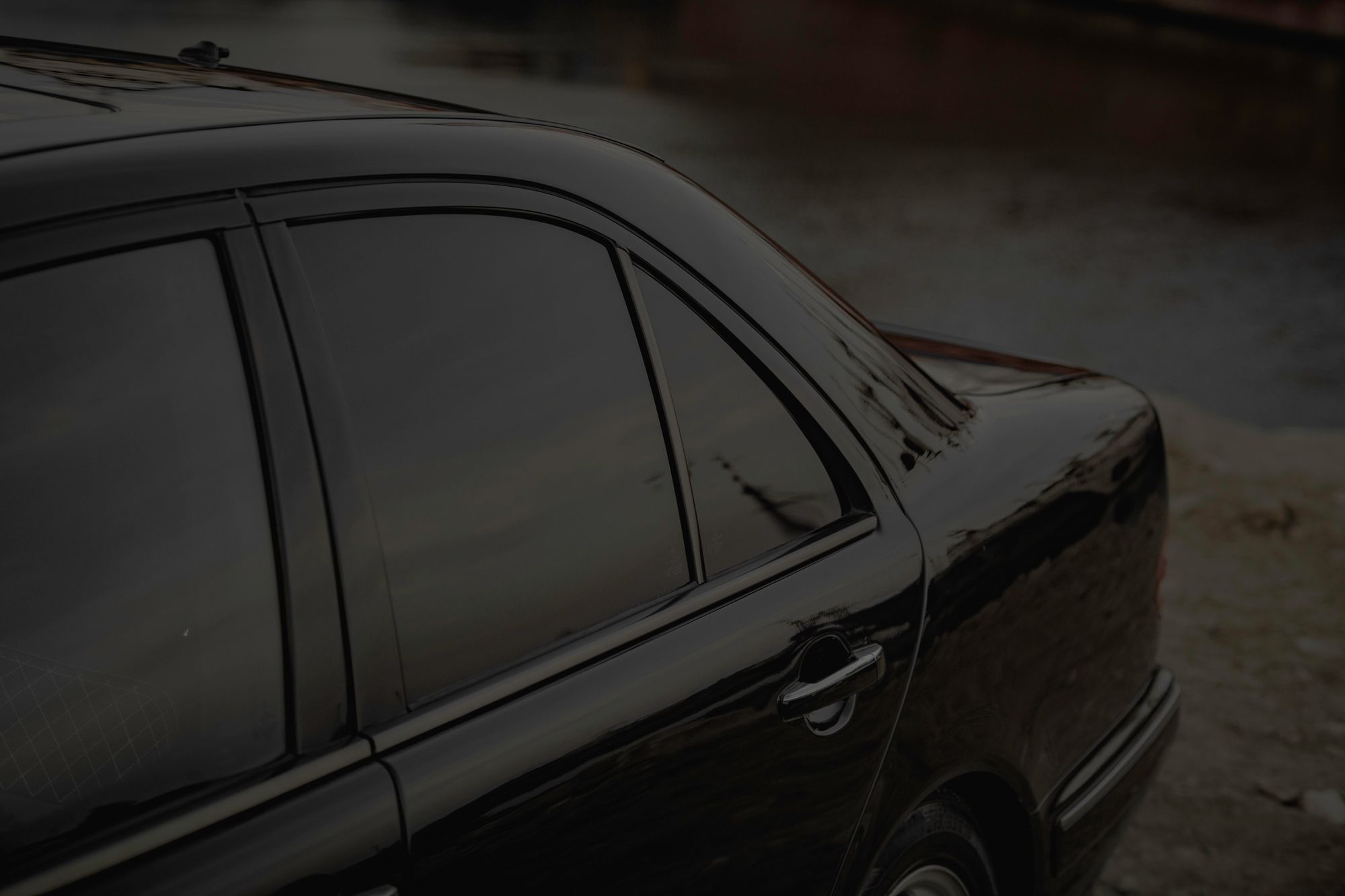
San Antonio sun makes window tint one of the most common add-ons on used cars and trucks. But a car can be sold with tint that is darker than Texas allows, and once it is registered in your name, you are the one who can get the ticket. Here is what the law says, what changed when safety inspections ended, and what to check before you buy.
The Short Version: Texas Tint Limits
The rules are in Texas Transportation Code § 547.613, and the Texas Department of Public Safety (DPS) summarizes them window by window. “Light transmission” is the share of light that gets through the glass and film together, so a lower number means darker tint.
- Front side windows (driver and front passenger): the glass and film together must let in at least 25% of light and have a luminous reflectance of 25% or less. DPS notes that front side windows under 25% light transmission fail, regardless of the vehicle’s model year.
- Windshield: tint is allowed only above the AS-1 line or the top five inches of the windshield, whichever is closer to the top. It must meet the same 25% light and 25% reflectance limits and cannot be red, blue or amber. DPS says a clear, untinted UV film is allowed anywhere on the windshield.
- Rear side windows: windows behind the driver are not restricted by the Transportation Code.
- Back window: no limit, as long as the vehicle has an outside mirror on each side that gives the driver a view at least 200 feet to the rear. Without both mirrors, the 25% limits apply.
The law also allows a small margin: DPS may treat a front side window as compliant if it varies from the standard by no more than 3%. Factory-tinted glass that meets federal standards, and replacement glass that meets the manufacturer’s specifications, is also exempt.
Why This Matters More Since 2025
Since January 1, 2025, most non-commercial vehicles no longer need a safety inspection before registration (TxDMV). Under the old system, an inspector checked tint every year, and a car with front windows that were too dark would fail. That yearly check is gone for most drivers, so there is no longer a routine point where someone flags illegal tint before you register the car.
The tint law itself did not go away. It is now enforced mainly through traffic stops. For more on what changed with inspections, including Bexar County emissions testing starting November 1, 2026, see our guide to Texas vehicle inspection changes.
A Car Can Be Sold With Tint You Cannot Legally Drive With
This surprises a lot of buyers. Section 547.613(f) says it is not an offense to offer for sale or sell a vehicle with a windshield or window that does not comply. In other words, a seller, dealer or private party can legally sell you a car with dark front tint. The offense applies to the person who operates the vehicle and to the person who installs non-compliant film.
Out-of-state cars are another trap. The law exempts vehicles not registered in Texas, so a car that came from another state may have tint that was legal there. Once you register it here, Texas limits apply.
Penalties and the Tint Label
Driving with illegal tint is a misdemeanor. Unless another penalty applies, the general penalty for this kind of traffic offense is a fine of $1 to $200 (Transportation Code § 542.401). Businesses that install tint without the required label can be fined up to $1,000.
That label is a useful clue for buyers. Under § 547.609 and DPS rules, one label goes on the rearmost bottom corner of the driver’s side window, stating that the film complies (for example, “Complies with TTC 547.613 (b)”). A missing label does not prove the tint is illegal, and a label does not prove it is legal, but it tells you whether a professional shop says it installed compliant film.
Medical Exceptions
If you or a regular passenger must be shielded from direct sun for a medical reason, the law treats that as a defense. According to DPS, you need a signed statement from a licensed physician or licensed optometrist that identifies the driver or occupant and states that the tint is necessary to protect their health. DPS stopped issuing window tint exemption certificates on January 1, 2019, so the signed statement is the proof. Keep it in the vehicle and show it to an officer if you are stopped.
What to Check Before You Buy a Tinted Used Car
- Look at the front side windows first. This is where the 25% limit applies. If you can barely see the interior from outside in daylight, ask questions.
- Look for the label. Check the lower rear corner of the driver’s window for a compliance label.
- Ask for a measurement. Many tint shops can measure light transmission with a meter. Remember the 25% limit is for glass and film together.
- Check the windshield strip. A sun strip that runs below the AS-1 line or more than five inches down is not allowed.
- Inspect the film itself. Bubbling, peeling or purple fading is a sign of old film that may need to come off anyway.
- Test visibility at night. Dark tint can make backing up and seeing pedestrians harder after dark. A short evening test drive tells you a lot.
- Budget for changes. If the front tint is too dark, plan for removal or replacement by a reputable shop before you drive it every day. Ask for a quote up front.
How Trilux Motors Helps
If a car on our lot has aftermarket tint, ask us about it. We will tell you what we know about it, and you are welcome to have it measured or inspected before you buy. Tint rules can change, so check the DPS and Texas statute links above for the latest.
Ready to shop? Visit Trilux Motors at 4606 S Flores St, Suite 101, San Antonio, TX 78214, or contact us today at (210) 900-2353. Se habla español.